Car Diagnostic Scanner vs Manual Inspection: What's the Difference?
Learn the difference between computerized vehicle diagnostics and traditional mechanical inspection.
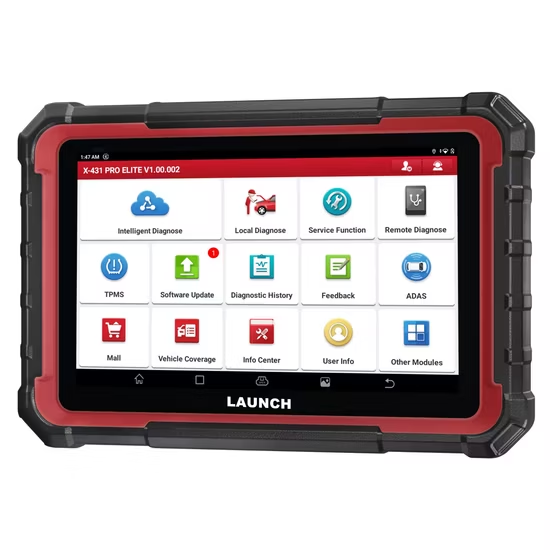
Scanning and manual inspection solve different problems. The best diagnosis combines both — scan data tells you what the computer detected, while hands-on inspection confirms physical condition. Relying on only one method leads to missed faults or unnecessary parts.
What Scanning Does Best
- Retrieves stored fault codes instantly
- Monitors live sensor values during engine operation
- Detects electrical and emissions faults invisible to visual inspection
- Provides freeze-frame evidence for intermittent problems
- Checks readiness monitors after repairs
What Manual Inspection Does Best
- Identifies worn brake pads, leaking hoses, and cracked belts
- Detects oil leaks, coolant seepage, and corrosion
- Checks tyre wear patterns indicating alignment or suspension issues
- Tests battery terminals, ground connections, and wiring damage
- Assesses physical damage from potholes or minor accidents
When Scanning Alone Is Not Enough
A clean scan with no codes does not mean the car is perfect. Worn suspension bushings, low brake fluid, and slipping clutches may produce no codes until damage is advanced. Manual inspection catches these before they become safety hazards on Faisalabad roads.
When Inspection Alone Falls Short
A visual check cannot read oxygen sensor voltage or detect a pending misfire. Cars that look fine under the bonnet may have stored codes affecting fuel average and emissions. Scanning adds a layer of data that eyes and hands cannot provide.
The Combined Approach at Mechanic Touch
Mechanic Touch diagnostic visits include OBD2 scanning plus targeted manual checks based on codes and symptoms. If the scan shows a misfire, we inspect plugs and coils. If inspection finds a coolant leak, we verify temperature sensor readings match reality.
Frequently asked questions
- Can a mechanic fix my car without scanning?
- Sometimes for obvious physical faults — a broken hose or worn pad. But for engine performance, warning lights, and mileage issues, scanning prevents guesswork and wrong-part replacements.
- My scanner shows no codes but the car runs poorly — why?
- Mechanical issues like low compression, slipping transmission, or clogged fuel filters may not set codes until damage progresses. Manual inspection and road testing fill the gap.
- Is a basic inspection package enough without scanning?
- Inspection covers physical wear items well. Adding a scan catches hidden electrical faults — especially valuable before buying a used car or when fuel average drops without visible cause.
- Which should I do first — scan or inspection?
- Scan first when a warning light is on or performance changed suddenly. Start with inspection when the concern is noise, vibration, leaks, or brake feel — then scan if symptoms suggest an electronic component.
Need professional help in Faisalabad?
Book online or message Mechanic Touch on WhatsApp — doorstep car repair, scanning, diagnostics, tuning, and maintenance across Faisalabad.